
The Allure of Chance and Uncertainty
The psychology behind casino games is intricately linked to our innate fascination with chance and uncertainty. Humans are naturally drawn to situations that involve risk because they evoke strong emotional responses, such as excitement and anticipation. The unpredictability of outcomes in games like slots and roulette stimulates the brain’s reward pathways, leading to the release of dopamine, a neurotransmitter associated with pleasure. This neurological reaction explains why many players find gambling exhilarating, often returning for more in hopes of replicating that initial thrill and excitement, especially when trying the best online pokies nz that offer unique experiences. The pulsating atmosphere of a casino, with its bright lights and sounds, further enhances this sensation, creating an environment where anticipation thrives.
Moreover, the thrill of uncertainty can foster an illusion of control, particularly in skill-based games like poker. This phenomenon, known as the “illusion of control,” allows players to believe that their decisions can significantly influence outcomes. When players engage in strategy alongside chance, they feel empowered, which enhances their enjoyment and perpetuates their desire to play. This blending of skill and luck not only amplifies the gaming experience but also creates a sense of agency, making players feel like active participants in their gaming journey rather than mere spectators.
Lastly, the potential for a significant win can amplify this allure even further. The concept of a “near miss” plays a crucial role in this dynamic; when players come close to winning, their brains react strongly, which can make them more likely to gamble again. This psychological mechanism leads to a behavior known as “loss-chasing,” where players continue to gamble in an attempt to recoup losses, often ignoring rational decision-making. Therefore, the interplay between chance, the illusion of control, and the reward mechanism is fundamental in understanding why casino games are so captivating for many individuals.
The Role of Environment and Design
The environment within a casino is meticulously crafted to enhance players’ experiences and amplify their psychological responses. Elements such as lighting, sound, and layout are strategically employed to create an atmosphere that encourages prolonged play. For example, the bright, flashing lights of slot machines and the enticing sounds of winning spins are designed to draw players in, creating an immersive experience that feels all-consuming. This sensory stimulation can heighten excitement and encourage players to spend more time gambling, often losing track of their original purpose for being in the casino.
In addition to sensory factors, the physical layout of casinos is deliberately designed to influence player behavior. Many casinos are built without clocks or windows, making it challenging for players to keep track of time. This intentional design choice allows individuals to become engrossed in their gaming experience, leading to extended sessions that can turn into hours of play without them even realizing it. Furthermore, the arrangement of games is purposefully planned to guide players from one attraction to another, maintaining their engagement and increasing opportunities for spending. Such design philosophies effectively manipulate player perceptions and behaviors, ultimately shaping the gambling experience.
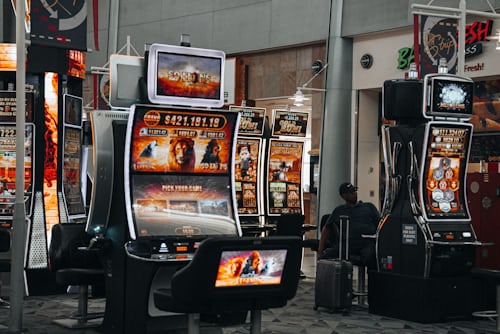
Moreover, the social environment found in live game settings adds another layer to the overall experience. Engaging with other players at a table can elevate excitement levels, fostering a sense of community among gamblers. This shared experience can create a social proof effect, where witnessing others win or engage with the game can further ignite individual desire to participate. Consequently, the interplay of thoughtful design and environment within casinos plays a pivotal role in shaping player experiences and influencing gambling behavior, making the entire experience intensely compelling.
The Impact of Personal Psychology
The individual psychology of players significantly shapes their gambling behaviors and experiences. Different personality types interact with casino games in diverse ways. For instance, thrill-seekers may gravitate towards high-stakes environments, often in pursuit of games that offer substantial risks and rewards. In contrast, more cautious players might prefer low-risk games, focusing on strategies that promote sustainability rather than immediate payoff. Understanding one’s psychological profile can empower individuals to navigate their gambling preferences, leading to more informed choices that align with their personality and risk tolerance.
Additionally, emotional states and past experiences heavily influence gambling behavior. Players seeking an escape from stress or negative emotions may engage in gambling as a coping mechanism, leading to problematic habits if not managed with care. The urge to escape reality can cloud judgment, resulting in risky gameplay that has potential financial repercussions. By recognizing these emotional triggers, individuals can approach gambling more responsibly, striking a healthier balance in their lives that protects their well-being while still allowing for enjoyment.
Finally, cognitive biases complicate the psychology of gambling further. Players often fall victim to cognitive errors such as the gambler’s fallacy, which leads them to believe that previous outcomes affect future results. This can result in irrational decision-making and a distorted perception of chances. Understanding these psychological traps is crucial for players as they navigate the complex landscape of casino gaming. By promoting awareness of personal psychological factors, gamblers can develop responsible gaming habits that enhance their overall experience while minimizing negative consequences.
The Social and Cultural Influences on Gambling
The social and cultural contexts surrounding gambling significantly shape individual participation and attitudes towards casino games. In many societies, gambling is viewed as a form of entertainment and social bonding, often celebrated in communal settings. This cultural acceptance can influence how individuals engage with games, fostering an emphasis on enjoyment rather than purely financial gain. Such cultural perspectives can create a sense of belonging among players, making the experience more enjoyable and less isolating, which enhances the overall entertainment value of the activity.

Peer influence plays a critical role in gambling behavior as well. People are often more inclined to gamble if they observe friends or family participating, reinforcing the notion that gambling is socially acceptable. This social reinforcement can lead to increased participation, as players seek to share experiences and celebrate wins collectively. The shared thrill of gambling can amplify emotional responses, contributing to the excitement and enjoyment of the activity. This collective nature of gambling helps to create a vibrant social atmosphere that enhances the overall experience.
Lastly, the stigma surrounding gambling varies significantly across different cultures and societies. In some areas, gambling is embraced and regulated, while in others, it may face disapproval and social stigma. This stigma can create environments where individuals feel pressured to engage in gambling secretly or excessively to validate their experiences. Understanding these social and cultural dynamics is essential for fostering responsible gambling habits and promoting healthier interactions with casino games, ensuring that they can be enjoyed in a way that aligns with personal and societal values.
Understanding Casino Strategies and Responsible Gaming
As awareness grows regarding the psychological aspects of gambling, understanding strategies for responsible gaming becomes increasingly critical. Players are encouraged to set personal limits regarding both time and finances, which serves as a protective measure against compulsive behaviors. Establishing these constraints empowers individuals to enjoy gaming while maintaining control over their habits. By taking a proactive approach to gambling, players can mitigate risks associated with gambling, ensuring that it remains a fun and entertaining activity rather than devolving into a harmful obsession that negatively impacts their lives.
In addition to individual strategies, casinos are increasingly adopting practices that promote responsible gaming. Many establishments provide resources and support for players who may struggle with gambling-related issues. This includes access to hotlines, support groups, and informational materials that help individuals recognize the signs of problematic behavior. Such initiatives reflect a growing commitment within the industry to prioritize player well-being, fostering an environment where enjoyment and responsibility can coexist harmoniously.
Ultimately, education on the psychological intricacies of gambling equips players with the knowledge needed to enjoy casino games without compromising their financial or emotional well-being. By developing a deeper understanding of personal psychology, social influences, and responsible gaming practices, players can significantly enhance their overall casino experience. Prioritizing awareness and personal accountability allows individuals to navigate the gaming landscape in a healthier and more enjoyable manner, ensuring that their gambling remains a source of entertainment rather than distress.